
A burst pipe can turn into a major property damage emergency within minutes. Water can spread through flooring, walls, ceilings, cabinets, and insulation before you even realize how far it has traveled. For Long Island homeowners, knowing what to do immediately can help limit the damage and make the burst pipe cleanup Long Island process faster and more effective.
The most important thing is to act quickly. Shut off the water if it is safe to do so, protect yourself from electrical hazards, remove valuables from the affected area, and contact a professional restoration company as soon as possible.
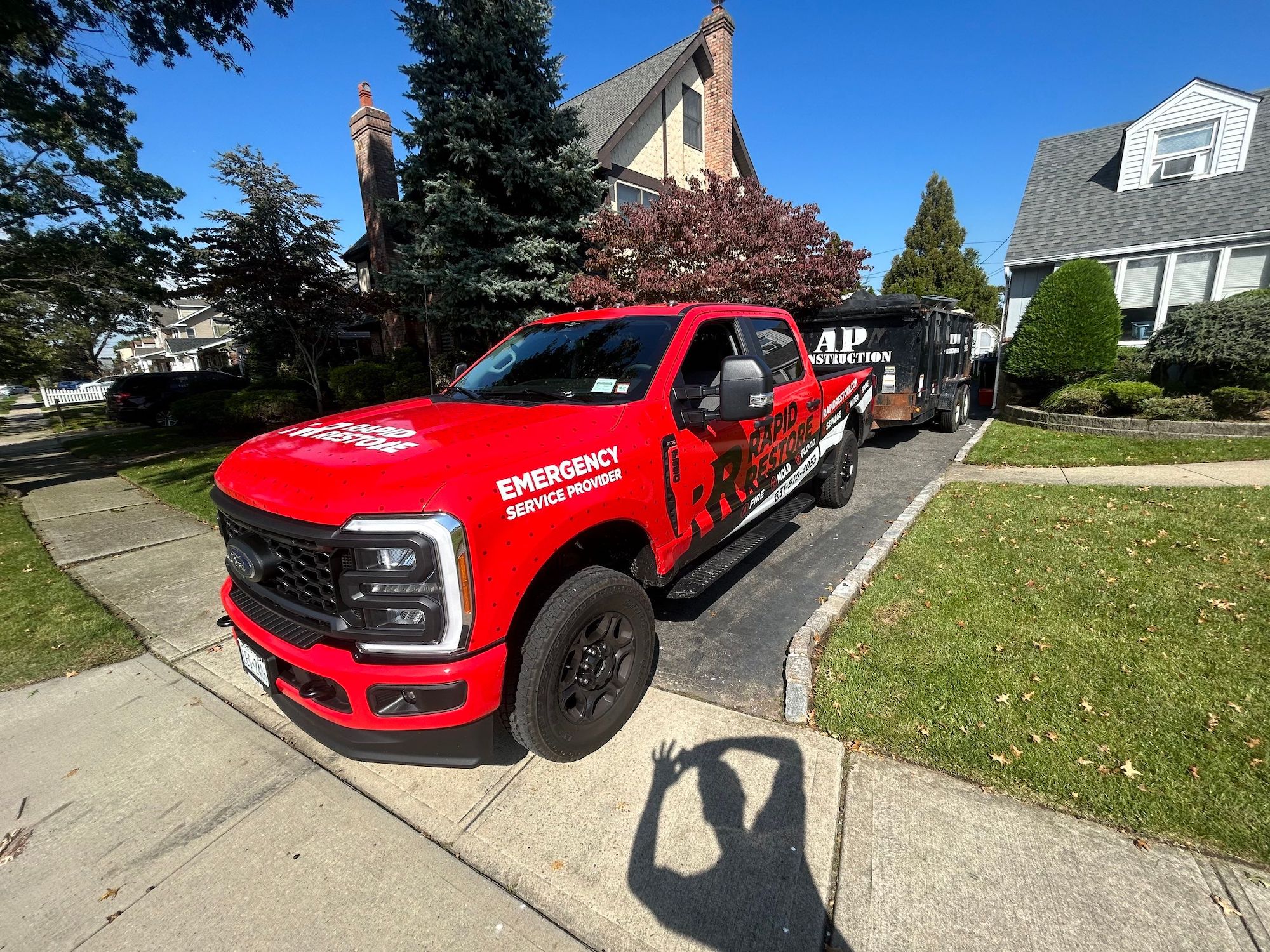
Rapid Restoration provides 24/7 emergency water damage restoration throughout Nassau and Suffolk County, with crews positioned across Long Island for rapid response.
What Causes a Pipe to Burst?
Pipes can fail for several reasons, and not every burst pipe happens during freezing weather.
Common causes include:
- Freezing temperatures: Water expands when it freezes, increasing pressure inside plumbing lines.
- Corroded or aging pipes: Older plumbing can weaken over time and eventually rupture.
- High water pressure: Excessive pressure can place stress on plumbing connections and pipe walls.
- Clogged or restricted pipes: Blockages can increase pressure within sections of the plumbing system.
- Loose or damaged connections: Fittings and joints can fail and release large amounts of water.
- Construction or accidental damage: Pipes can be damaged during remodeling, drilling, or other work around the property.
- Water heater failures: A failed supply line or tank can release significant amounts of water.
- Temperature changes: Rapid changes in temperature can place additional stress on vulnerable plumbing.
Long Island homes can also have unique plumbing challenges based on the age and construction of the property. Older homes may contain aging plumbing components that are more susceptible to corrosion, deterioration, or failure.
What to Do When a Pipe Bursts
If a pipe suddenly breaks in your home, don't wait to see whether the leak stops on its own. The first few minutes can make a meaningful difference in how much water reaches your building materials.
1. Shut Off the Main Water Supply
The first priority is stopping the source.
If you can safely access your home's main water shutoff valve, turn it off immediately. Depending on the location of the burst, you may also be able to shut off an individual fixture or appliance supply line.
If you cannot locate the shutoff valve, contact a plumber or emergency professional for assistance.
Do not enter standing water if electrical equipment, outlets, appliances, or wiring may be submerged.
2. Turn Off Electricity if It Is Safe
Water and electricity can create a serious electrical hazard.
If water has reached electrical outlets, appliances, electrical panels, or wiring, stay out of the affected area and contact a qualified professional. Never walk through standing water to reach an electrical panel.
Your safety should come before attempting to save flooring, furniture, or personal belongings.
3. Remove Valuables From the Affected Area
Once the property is safe to enter, move furniture, electronics, important documents, and other belongings away from the water whenever possible.
Place aluminum foil or blocks beneath furniture legs if appropriate to help keep them from sitting directly in water.
However, don't risk injury trying to move heavy furniture or valuables through unsafe conditions.
4. Call a Water Damage Restoration Company
Stopping the leak is only the first part of the problem.
Even after the visible water has been removed, moisture can remain underneath flooring, behind walls, inside cabinets, and within structural cavities.
This is why professional burst pipe cleanup in Long Island involves more than simply vacuuming up standing water.
Rapid Restoration's water damage restoration teams use water extraction equipment, moisture meters, thermal imaging, air movers, and dehumidifiers to identify and dry affected areas.
[Internal link: Water & Flood Damage Restoration → /services/water-damage]
5. Document the Damage for Your Insurance Claim
Before throwing away damaged belongings or removing materials, photograph and document the affected areas when it is safe to do so.
Take pictures of:
- The burst pipe or failed plumbing component
- Standing water
- Damaged flooring
- Wet walls and ceilings
- Damaged furniture
- Appliances and electronics
- Personal belongings
- Any visible structural damage
Keep receipts for emergency expenses and make a written inventory of damaged items.
Rapid Restoration can also help document the loss and coordinate directly with your insurance company as part of the restoration process.
Why a Burst Pipe Can Cause More Damage Than You See
One of the biggest mistakes homeowners make after a pipe bursts is assuming that removing visible water means the problem is solved.
Unfortunately, water doesn't stay where you can see it.
A burst pipe can send water underneath flooring, into drywall, behind cabinets, through insulation, and into wall cavities. Moisture can also migrate from one room to another through flooring and structural components.
This hidden moisture can contribute to:
- Swollen flooring
- Damaged drywall
- Deteriorated insulation
- Warped wood
- Damaged cabinets
- Electrical problems
- Persistent odors
- Mold growth
Rapid Restoration's water damage service uses moisture meters and thermal imaging to locate hidden moisture rather than relying solely on what is visible.
How Long Does Burst Pipe Cleanup Take?
The timeline depends on how much water escaped, how quickly the pipe was shut off, which materials were affected, and how much hidden moisture is present.
A relatively contained plumbing failure may require only a few days of extraction and drying. A major pipe rupture affecting multiple rooms, walls, flooring, or ceilings can take significantly longer.
The typical restoration process may include:
- Emergency inspection
- Water extraction
- Moisture mapping
- Structural drying
- Dehumidification
- Removal of unsalvageable materials
- Cleaning and sanitizing
- Final moisture verification
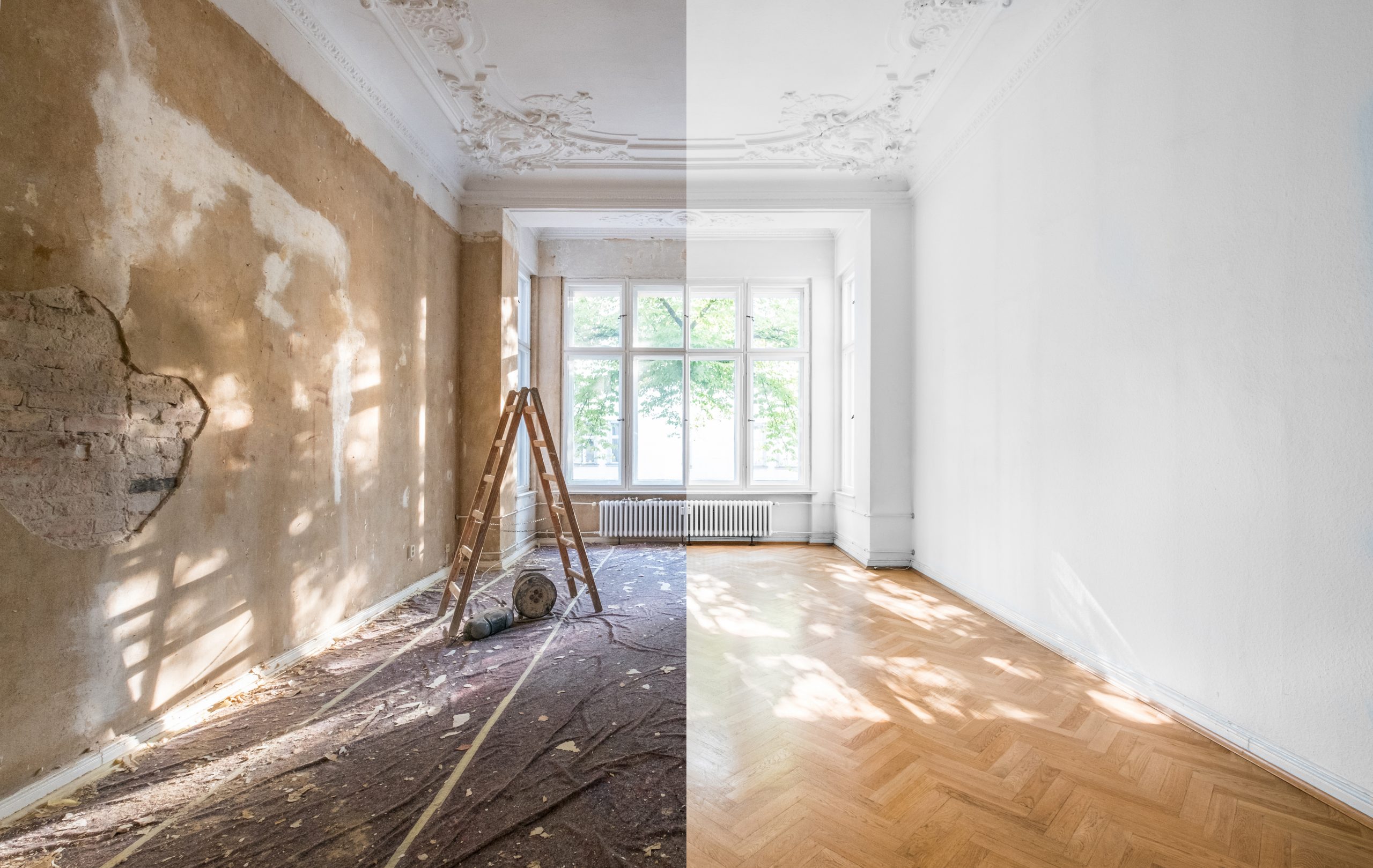
- Repairs or reconstruction
Many water damage projects take approximately 3–5 days from extraction through drying, although larger losses and structural damage can extend the timeline.
Read: How Long Does Water Damage Restoration Really Take?
Can You Clean Up a Burst Pipe Yourself?
For a very small plumbing leak that is immediately contained, homeowners may be able to handle some basic cleanup.
A significant burst pipe is different.
Large amounts of water can quickly move into areas that are difficult to reach, and simply using towels, household fans, or a wet/dry vacuum may not adequately dry the structure.
Professional restoration equipment can help identify and remove moisture from places that aren't immediately visible.
DIY cleanup can also become dangerous if the water has come into contact with electrical systems or has become contaminated.
If you're unsure how extensive the damage is, it's generally better to have the property professionally assessed.
What Happens if You Don't Dry the Property Quickly?
Time matters after a pipe bursts.
Water left inside building materials can cause progressive damage. Wood may swell or warp, drywall can deteriorate, flooring can buckle, and trapped moisture can create conditions favorable to microbial growth.
Rapid Restoration notes that mold can begin developing within approximately 24–48 hours after water intrusion, making prompt extraction and drying particularly important.
That's why the goal of burst pipe cleanup isn't simply to remove standing water. The property needs to be thoroughly dried and checked for moisture in areas that aren't visible.
What About a Burst Pipe That Causes Sewage Contamination?
Not every plumbing-related water loss involves clean water.
If the burst pipe involves a sewer line, toilet, contaminated drain water, or another source of wastewater, the situation is significantly different.
Sewage-contaminated water can contain bacteria, viruses, and other contaminants and should not be handled like ordinary clean-water damage. Rapid Restoration treats sewage exposure as a professional remediation situation involving extraction, disinfection, sanitation, and appropriate disposal.
If sewage has entered your home, avoid contact with the affected water and keep children and pets away from the area.
Does Homeowners Insurance Cover a Burst Pipe?
A sudden and accidental burst pipe is often a type of water loss that may be covered by a homeowners insurance policy, but coverage depends on the circumstances and the specific policy.
For example, the resulting water damage from a sudden pipe failure may be covered while damage caused by long-term neglect, unresolved maintenance issues, or certain types of flooding may be treated differently.
Because every policy is different, homeowners should review their coverage and contact their insurance carrier. Here are 7 simple steps on how to file a home insurance claim for water damage.
You don't necessarily need to wait for your insurance company before beginning emergency mitigation. Rapid Restoration says homeowners can contact the company first and that its team coordinates directly with insurance providers during the restoration process.
How to Prevent Another Burst Pipe
Once your home has been restored, prevention can help reduce the chance of another plumbing emergency.
Insulate Vulnerable Pipes
Pipes located in unheated areas such as garages, crawl spaces, attics, or exterior walls may be more vulnerable during extreme cold.
Know Where Your Main Shutoff Is
Every homeowner should know where the property's main water shutoff valve is located. Being able to turn off the water quickly can significantly reduce the amount of water released during a plumbing failure.
Keep Your Home Properly Heated
During cold weather, maintaining adequate indoor temperatures can help protect vulnerable plumbing.
Check Older Plumbing
If your home has older pipes, have a qualified plumber inspect the system for corrosion, deterioration, or other signs of failure.
Don't Ignore Small Leaks
A dripping connection or small plumbing leak may indicate a developing problem. Addressing it early can help prevent a much larger failure.
Protect Your Home When You're Away
If you're leaving your Long Island home during the winter, take precautions to protect your plumbing from freezing temperatures and know how to shut off the water if necessary.
When Should You Call Rapid Restoration?
A burst pipe becomes a restoration emergency when significant water has entered the property or when moisture has reached materials that cannot be adequately dried with ordinary household equipment.
You should consider calling a professional restoration company when:
- Water has spread across multiple rooms.
- Flooring or carpeting is saturated.
- Walls or ceilings are wet.
- Water has entered cabinets or wall cavities.
- There is standing water.
- The source of moisture isn't completely understood.
- Water has reached electrical components.
- You notice a musty odor after the leak.
- The property has been vacant while the leak continued.
- Sewage or contaminated water is involved.
- You are concerned about hidden moisture.
Rapid Restoration provides 24/7 emergency water damage response across Nassau and Suffolk County and says its crews aim to arrive within 60 minutes anywhere on Long Island.
Burst Pipe Cleanup in Long Island: Don't Wait to Act
A burst pipe can go from a plumbing problem to a major restoration project surprisingly quickly. The most important steps are to stop the water source, protect yourself from electrical hazards, document the damage, and begin professional drying as soon as possible.
The sooner water is extracted and hidden moisture is addressed, the better the opportunity to limit secondary damage to flooring, walls, cabinets, and other building materials.
For homeowners dealing with a burst pipe, Rapid Restoration provides 24/7 emergency water damage restoration throughout Long Island, including Nassau and Suffolk County. The company handles water extraction, structural drying, moisture detection, insurance coordination, and restoration from the initial emergency through the final repairs.
Need burst pipe cleanup in Long Island? Contact Rapid Restoration for emergency assistance.
Suggested FAQ Section
How quickly should I call for burst pipe cleanup?
You should contact a restoration professional as soon as possible after the water source has been stopped. The longer water remains inside flooring, walls, insulation, or other materials, the greater the potential for secondary damage and microbial growth.
What should I do first when a pipe bursts?
If it is safe, shut off the main water supply. Then stay away from electrical hazards, move valuables away from the affected area if possible, document the damage, and contact a professional restoration company.
Can a burst pipe cause mold?
Yes. Water trapped inside building materials can create conditions favorable to mold growth. Rapid Restoration notes that mold can begin developing within approximately 24–48 hours following water intrusion, which is why prompt drying is important.
Will insurance cover burst pipe water damage?
Sudden and accidental water damage from a burst pipe is often covered by homeowners insurance, but coverage varies by policy and circumstances. Contact your insurance provider and document the damage before disposing of affected belongings or materials.
How long does burst pipe cleanup take?
The timeline depends on the severity of the loss. Some projects can be completed within several days, while extensive damage involving walls, flooring, or structural repairs can take considerably longer.
Does Rapid Restoration handle burst pipe emergencies at night?
Yes. Rapid Restoration provides 24/7 emergency restoration service across Long Island and states that its crews aim to respond within 60 minutes.